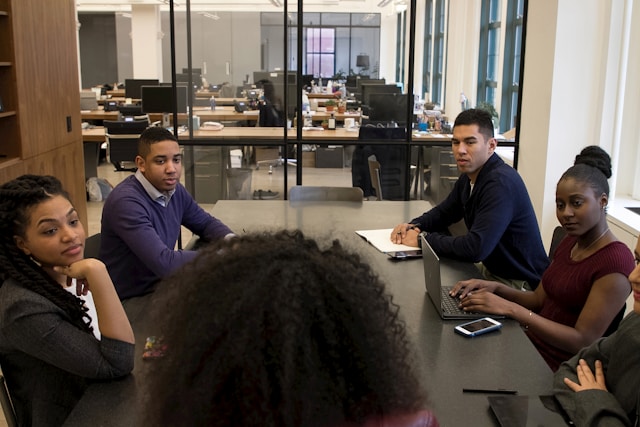
Securing a job in France requires more than just a strong resume and relevant experience. The interview process is a critical stage where employers assess not only your skills but also your personality, professionalism, and fit within the company culture. For foreigners, understanding French interview etiquette, expectations, and communication norms can make a significant difference. This guide provides comprehensive tips for successfully navigating job interviews in France, helping you impress recruiters and increase your chances of landing the role.
Understanding the French Interview Process
The French interview process may vary depending on the industry, company size, and role. Generally, it includes multiple stages:
- Phone or Video Screening: Initial assessment of language skills, motivation, and basic qualifications.
- In-Person Interview: Conducted by HR and/or the hiring manager, focusing on experience, competencies, and cultural fit.
- Technical Assessment or Case Study: Common in IT, finance, engineering, and consulting roles to test problem-solving and technical skills.
- Panel Interview: Some companies conduct panel interviews with multiple managers or team members.
Understanding these stages helps candidates prepare adequately and perform confidently.
Prepare Thoroughly Before the Interview
Preparation is key to demonstrating professionalism and commitment:
- Research the Company: Understand the company’s mission, values, recent projects, and industry position.
- Know the Role: Analyze the job description carefully and match your skills to the required qualifications.
- Prepare Examples: Use the STAR method (Situation, Task, Action, Result) to provide clear, structured answers about your experience.
- Review Your Resume: Be ready to discuss any aspect of your professional history, education, or projects.
Understand French Workplace Culture
French employers place importance on both professional competence and cultural fit. Key cultural aspects include:
- Formality: Address interviewers with “Monsieur” or “Madame” unless invited to use first names.
- Punctuality: Arrive 5–10 minutes early; lateness is seen as unprofessional.
- Professional Attire: Dress formally and appropriately for the role and industry.
- Respect for Hierarchy: Acknowledge the interviewer’s position and demonstrate respect.
- Politeness and Etiquette: Polite greetings, firm handshakes, and proper eye contact are essential.
Answer Questions Effectively
French interviews may include behavioral, technical, and situational questions. Tips for responding effectively:
- Be Concise and Structured: Avoid overly long answers; focus on clarity and relevance.
- Show Achievements: Highlight measurable outcomes and contributions in previous roles.
- Demonstrate Problem-Solving Skills: Employers value candidates who can handle challenges and think critically.
- Be Honest: If you lack certain experience, emphasize your willingness to learn and adapt.
Common French interview questions include:
- “Parlez-moi de vous” (Tell me about yourself)
- “Pourquoi voulez-vous travailler ici?” (Why do you want to work here?)
- “Quels sont vos points forts et vos points faibles?” (What are your strengths and weaknesses?)
- “Donnez un exemple où vous avez résolu un problème complexe.” (Give an example of a time you solved a complex problem)
Demonstrate Language Proficiency
Even if the role is in English, demonstrating French language skills can be advantageous:
- Use simple French phrases when appropriate to show effort and cultural integration.
- Be honest about your language level; overestimating can backfire.
- Highlight multilingual abilities as an asset, particularly for international companies.
Prepare Questions for the Interviewer
Asking thoughtful questions demonstrates interest and engagement:
- Inquire about company culture, team structure, and growth opportunities.
- Ask about expectations for the role and key performance indicators.
- Avoid questions about salary or benefits in the first interview unless prompted.
Follow Proper Etiquette During the Interview
- Greet the interviewer politely and maintain professional body language.
- Avoid interrupting; listen actively and respond thoughtfully.
- Show enthusiasm without being overly casual.
- Keep your mobile phone silent and out of sight.
Post-Interview Steps
- Send a Thank-You Note: A brief, polite email expressing gratitude for the opportunity and reiterating interest in the role.
- Reflect on the Interview: Note areas of strength and improvement for future interviews.
- Follow Up: If you haven’t heard back within the timeframe mentioned, a polite follow-up email is acceptable.
Tips for Foreign Candidates
- Understand Local Norms: Familiarity with French interview etiquette sets you apart.
- Highlight Adaptability: Show willingness to integrate into French work culture and collaborate effectively.
- Leverage International Experience: Demonstrate how your global perspective can benefit the company.
- Prepare for Technical Assessments: Many French employers include practical tests or case studies; practice beforehand.
- Confidence and Politeness: Balance assertiveness with respect to convey professionalism.
Salary and Contract Discussions
Salary negotiations typically occur after an initial offer or in later interview rounds:
- Research industry standards for your role and location.
- Be ready to justify your expected salary based on experience, skills, and market rates.
- Consider benefits, relocation assistance, and vacation policies in addition to base salary.
Conclusion
Landing a job in France requires thorough preparation, cultural awareness, and strong communication skills. By understanding the French interview process, preparing effectively, demonstrating professionalism, and adapting to local norms, foreign candidates can significantly improve their chances of success. Combining a strong resume, targeted preparation, language skills, and strategic follow-up positions job seekers to secure rewarding opportunities and build a thriving career in France.