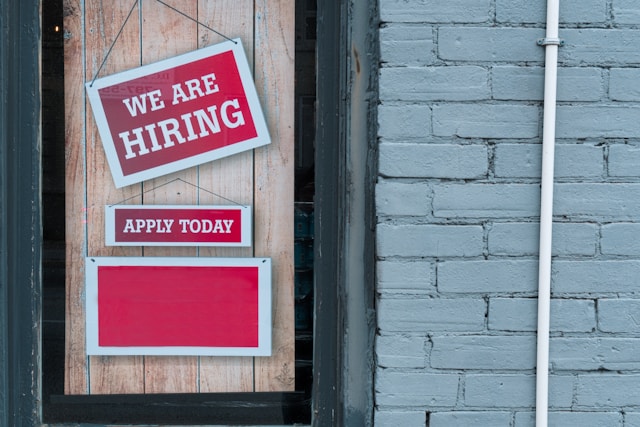
France is one of the most sought-after destinations for international professionals due to its vibrant economy, rich culture, and high standard of living. Working in France offers not only professional growth but also exposure to diverse industries, innovative business environments, and global networking opportunities. However, securing a job in France requires understanding the local job market, legal requirements, cultural expectations, and effective strategies for applying. This comprehensive guide will walk you through everything you need to know to find job offers in France and meet all necessary requirements.
Understanding the French Job Market
The French job market is structured, competitive, and varies significantly across regions and industries. Before applying for jobs, it is essential to understand key market dynamics:
- High-Demand Sectors: Certain sectors consistently offer job opportunities to both locals and foreigners. Technology, finance, healthcare, engineering, hospitality, and consulting are among the most sought-after. Emerging sectors like AI, cybersecurity, renewable energy, and digital marketing are increasingly lucrative.
- Regional Differences: Job opportunities and salaries differ by location. Paris, Lyon, Toulouse, and Bordeaux are hubs for tech, finance, and consulting, while regions like Marseille or Lille may offer opportunities in logistics, healthcare, and education. The cost of living also varies, so consider location alongside salary.
- Company Types: France has a mix of multinational corporations, startups, SMEs, and government organizations. Multinationals often hire English-speaking professionals, whereas local companies may require strong French language skills. Understanding the type of company you target will shape your application strategy.
Types of Job Offers in France
French employers offer different types of employment contracts, which come with varying benefits and job security:
- CDI (Contrat à Durée Indéterminée): A permanent contract, most desirable in France, offering stability, social security benefits, paid leave, and often additional perks.
- CDD (Contrat à Durée Déterminée): A fixed-term contract, typically for seasonal work, project-based roles, or temporary replacements. These contracts offer fewer benefits than CDIs but can be a stepping stone to permanent employment.
- Internships (Stage): Many students and recent graduates start with internships. French law requires a stipend for internships lasting more than two months. Internships can lead to permanent offers.
- Freelance / Independent Contracting: Known as “auto-entrepreneur” status, this allows flexibility and high earning potential but requires self-management of taxes, insurance, and social contributions.
Eligibility and Work Requirements
Foreigners must meet legal requirements to work in France. Understanding visas and permits is crucial:
- EU/EEA Citizens: Citizens from the EU, EEA, and Switzerland can work in France without a visa. They have the same labor rights as French citizens.
- Non-EU Citizens: You will need a work visa or permit to legally work in France. Common options include:
- Talent Passport: Designed for highly skilled professionals, investors, researchers, and specialized employees. Valid for up to four years and renewable.
- Work Permit Sponsored by an Employer: Requires a job offer from a French company willing to sponsor your employment.
- EU Blue Card: For highly qualified non-EU professionals with a university degree and a job offer exceeding a minimum salary threshold.
- Documentation: Typically required documents include a valid passport, job contract, proof of qualifications, CV, cover letter, and possibly proof of language proficiency.
Crafting a French-Friendly CV and Cover Letter
French employers value professionalism, clarity, and relevance in applications. Your CV and cover letter should be tailored to French expectations:
- CV (Curriculum Vitae): Keep it concise, ideally one or two pages. Include your full name, contact details, professional photo (optional), education, work experience, skills, and languages. Highlight measurable achievements and relevant experience.
- Cover Letter (Lettre de Motivation): French cover letters should be formal, personalized, and demonstrate your motivation. Address the hiring manager, explain why you are interested in the role, and illustrate how your skills match the company’s needs. Avoid generic letters.
Finding Job Offers in France
There are several strategies to find job opportunities in France:
- Online Job Portals: Websites like Indeed France, LinkedIn, Glassdoor, Monster, and Apec are popular for job listings. Use keywords, filters, and location preferences to narrow your search.
- Recruitment Agencies: Agencies such as Michael Page, Hays, and Robert Walters specialize in connecting skilled professionals with companies in various industries. They often provide guidance on application and interview processes.
- Networking: Networking is critical in France. Attend professional events, industry conferences, and workshops. Joining LinkedIn groups and alumni associations can open doors to unadvertised positions.
- Company Websites: Many companies post openings directly on their websites. Research companies in your industry, and monitor their careers pages for opportunities.
Interviewing in France
French interviews are generally formal, structured, and may involve multiple rounds:
- Preparation: Research the company, its values, and the role. Understand the French corporate culture and be ready to explain your experience in detail.
- Professional Etiquette: Dress formally, arrive on time, and address interviewers with “Monsieur” or “Madame.” Politeness and professionalism are highly valued.
- Behavioral Questions: Employers may ask situational questions to evaluate problem-solving, adaptability, teamwork, and leadership skills. Prepare examples from your experience.
- Salary Discussions: Salary negotiations may occur later in the hiring process. Be prepared with market research and a clear understanding of your value, considering both base salary and benefits.
Language Considerations
French language skills greatly enhance job prospects and workplace integration. While some multinational companies operate in English, being proficient in French increases your competitiveness and ability to build relationships. Consider:
- Language Classes: Enroll in French courses before or after arriving in France. Intensive courses and language immersion can accelerate learning.
- Certification: Obtaining certifications like DELF or DALF can validate your proficiency to potential employers.
Understanding Salaries and Benefits
High-paying jobs in France are not only about salary. Benefits contribute significantly to overall compensation:
- Paid Leave: French employees enjoy a minimum of five weeks of paid vacation annually, with additional leave for holidays and special circumstances.
- Healthcare: France offers universal healthcare, and most employers provide additional health insurance (mutuelle) for employees.
- Retirement and Social Security: Contributions are made to the French social security system, ensuring pensions, unemployment benefits, and other protections.
- Bonuses and Perks: Some companies offer performance bonuses, meal vouchers (tickets restaurant), transportation allowances, and flexible working options.
Tips for Success in Securing Work in France
- Tailor Your Approach: Customize your applications for each company and role. Highlight relevant skills and achievements.
- Gain Experience: Experience in international companies or sectors in demand increases employability.
- Be Patient and Persistent: The hiring process can be longer than in other countries. Persistence and consistent follow-up improve your chances.
- Leverage Professional Support: Consider career coaches, recruiters, or expatriate networks for guidance.
Conclusion
Working in France offers a wealth of professional and personal opportunities, but it requires careful preparation, research, and strategic effort. Understanding the French job market, identifying high-demand industries, obtaining the right work authorization, and crafting professional applications are essential steps. By networking, improving language skills, and approaching job searches with diligence, you can secure a rewarding position and thrive in one of Europe’s most dynamic economies.
France not only provides high-paying opportunities in key sectors but also a rich cultural and social environment for expatriates. With persistence, adaptability, and the right strategies, finding a job in France is a realistic goal for foreigners seeking career growth, international experience, and a high standard of living.